

Founder and CEO
In 2016, I nearly drowned while playing in a pool.
The most surprising part of that incident is this: I could “swim”. In fact, I had taken multiple swimming classes and could do laps in Olympic-sized pools!
My first swimming class was 11 years before my near-drowning incident and was a requirement for graduation from my university. The class taught me fundamentals of the front crawl and how to move through the water moving my arms and legs. The following summer, I learned how to turn my head to breathe while swimming. I went on to take and pass multiple safety courses for my offshore job, including: learning to ditch a burning platform into the sea, how to rescue oneself from a helicopter that had crashed and overturned in the sea, how to swim to a life raft, and how to survive and call for help if on a lifeboat at sea.
All of these classes were in deep water. Some were in deep pools, some were in the ocean. Beyond classes, I had gone snorkeling, jet skiing, and hung out at boat parties and pool parties.
I had taken the courses and done ALL the things. And yet, there I was—in a pool that was less than 8 feet deep—nearly drowning!
Why? Because I didn’t have the foundations: I was still AFRAID of deep water.
Just like me, you may have taken a ton of classes. However, most swimming and training classes (even beginners’ classes) do not teach the foundations. I thought that practicing skills I had learned would address my fear of deep water. I had been taught that if I spend time in water, practicing skills, the fear will go away. It didn’t!
Here’s why: you can’t trick the brain.
The brain knows that we cannot breathe in water. So it automatically sees the water as an unsafe place and triggers a fear response—similar to seeing a lion walking towards you—all because you have not shown it that you know how to be safe in deep water. Your brain knows if YOU are comfortable around deep water or not.
Now, here’s the real problem. If the brain triggers a fear response while you are in water and you panic, you are in real danger and you can drown. First things first. YOU NEED TO OVERCOME FEAR before you learn skills. It’s only after that that everything else falls in place.
Perhaps you have taken swimming classes and you quit out of frustration. Perhaps you vacation in beautiful places and don’t get to do all the fun things (snorkeling, swimming, jet skiing, etc.) because you can’t trust yourself. Perhaps you are a parent and have fear around your child in a pool because you know you wouldn’t be able to save them if something bad were to happen. Perhaps you just avoid water because you don’t know how to be comfortable in it and reap all the benefits of being a swimmer. Perhaps you are simply uneasy in water. Whatever the case may be, the concepts I teach are key to overcoming every kind of fear.
I will guide you step-by-step to overcome your unease in deep water and help you learn to be free and comfortable. I know you may not feel fearless now, but hang with me and we’ll get there together.
WHAT YOU LEARn
You learn how to relax and enjoy yourself in deep water.
You learn to develop the confidence to get into the pool or ocean on that lovely, blue vacation and hang out with friends in water.
Instead of dread, your association with water will evolve to be one of restfulness and peace.
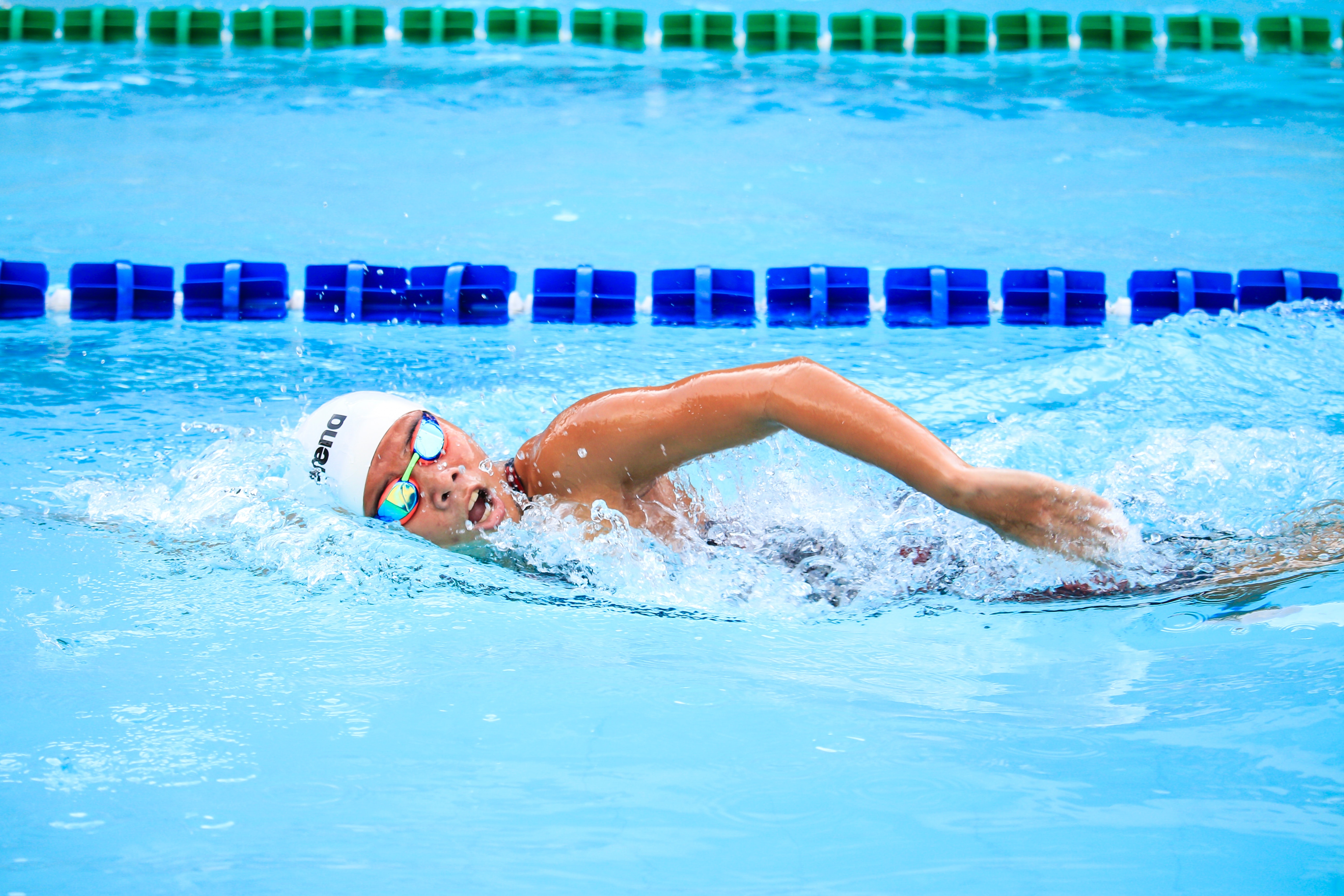
RELAXATION, CONFIDENCE, RESTFULNESS AND PEACE

Fear
We go over the nature of fear. What happens in your body when you’re afraid. The pros and cons of fear. How fear can kill you in deep water, and how to overcome fear.

Presence
You learn how to be present in your body to overcome fear and prevent panic. You learn how to feel what the water is doing for you, and how to condition your body to believe that the water is a safe place to be.

Truth
What are your current beliefs around water? How do those beliefs line up with objective truth about water? You learn to bridge the gap between the two. We also tackle common myths and misconceptions about water.
Skills
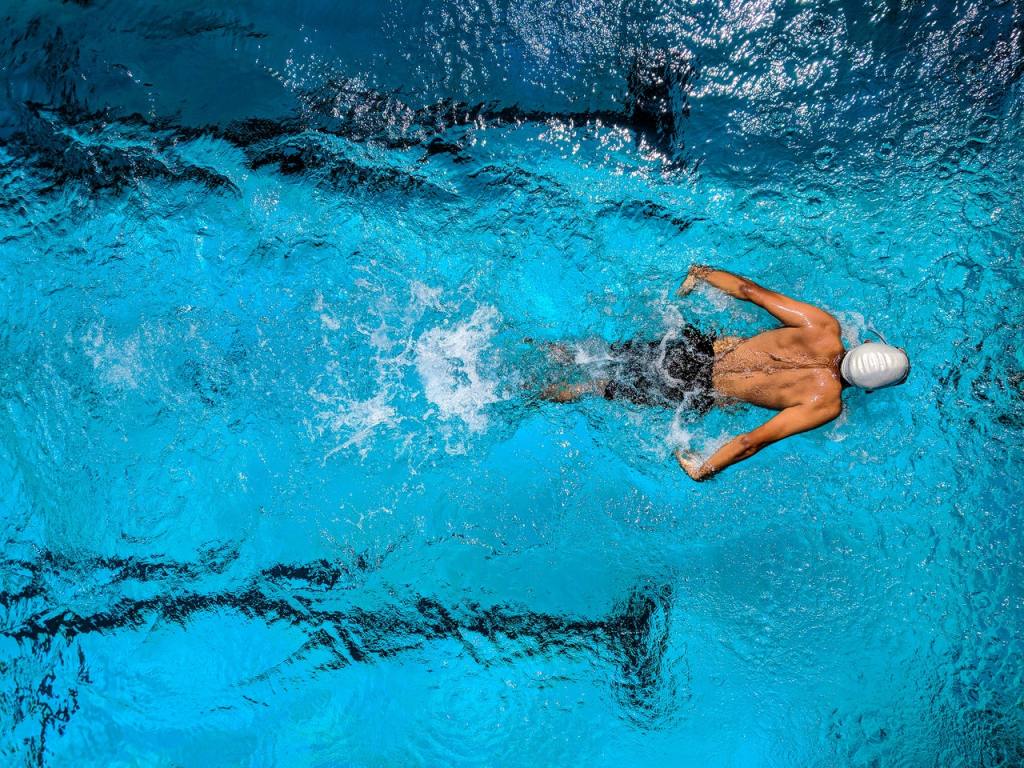
You learn the key skills required to always have access to air and to safety. You learn how to enter and exit, to float on your front, your back, and vertically. You learn how to move intuitively in water (not strokes!) You take the skills you learn in the shallow into deep water.
 my Freedom From Fear